STEAM & CONDENSATE
Technical Selection
Steam Trapping, Flow Control, and Sealing Solutions
Quebec and Canada-wide

Steam Distribution System or Industrial Boiler Plant
Actual photograph of the facility or steam system. Placeholder reserved for visual confirmation.
YOUR REQUIREMENTS
Whether replacing equipment, upgrading a line, or assessing a complete station: start with your specific operational needs. Every path leads directly to the relevant technical solutions.
Optimize my steam system
Leaks, water hammer, pressure fluctuations, or condensate backup: identify key inspection points before replacing your equipment.
Request a Complete Station Analysis
Pressure reduction, heat exchange, or steam trap stations
NETWORK OPERATIONS
System performance relies on more than just the boiler. Steam distribution, end-use processes, and condensate recovery are interconnected—a deficiency at any stage can compromise overall system reliability.
Manufacturing
The boiler plant supplies steam at the precise pressures and conditions required by the facility's end-users.
Distribution
Steam travels through piping systems where insulation, condensate drainage, isolation valves, and pressure drops all impact system performance and reliability.
Application
Heat exchangers, thermal processes, and heating coils transfer energy with precision control engineered to meet demand.
Condensate and Return
Steam traps effectively discharge condensate and non-condensable gases. Recovering these fluids, whenever feasible, optimizes overall energy and hydraulic performance.

Saturated or Superheated Steam?
At a given pressure, saturated steam remains at its saturation temperature, whereas superheated steam exceeds this threshold. Equipment and material selection must account for these precise operating conditions.
Entrained water in piping can compromise heat transfer efficiency and heighten the risk of water hammer.
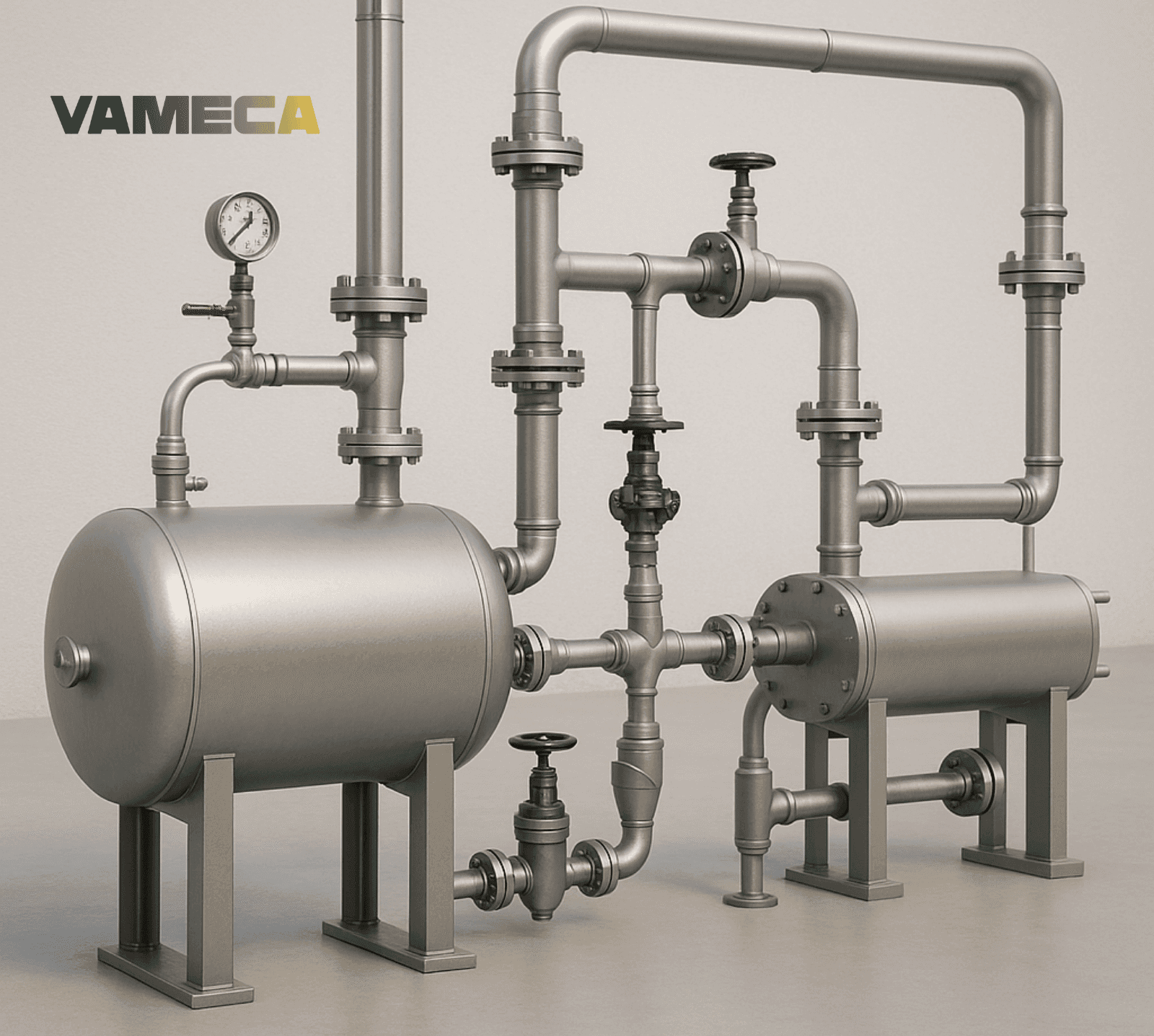
Schematic diagram of an industrial steam system. Your actual facility layout may incorporate additional equipment and piping circuits.
ENHANCE PERFORMANCE
Opportunities vary by facility. An effective approach examines leakage, steam trapping, control, isolation, and condensate return collectively, rather than evaluating each component in isolation.
SYSTEM APPROACH
Assess operational performance prior to modifying valve assemblies
Upstream and downstream pressures, flow rate, load variations, and condensate return conditions make it possible to identify whether an issue is related to adjustment, steam trapping, sizing, or system operation.
A steam trap blowing live steam and one backing up condensate cause distinctly different issues: the symptoms and corrective actions are not interchangeable.
Leaks, Flanges, and Isolation
Inspect for visible steam leaks, verify the seal integrity of valves and flanges, and identify any inadequately insulated piping sections or fittings.
Steam Traps and Condensate Management
Inspect the condition of steam traps, their operating mode, and the drainage of low points. A poorly located or improperly sized station can compromise overall system performance.
Pressure and Flow Control
Compare the available pressure, process setpoint, minimum and maximum flow rates, and the actual pressure drop available across the valves.
Condensate Return and Recovery
Verify the return rate, back pressure, lifting capability, contamination risks, and the recovery of waste heat.
Maintenance and Monitoring
Document anomalies, inventory critical points, and focus inspections on equipment that impacts safety and operational availability.
Deep dive: how pressure drop impacts circuit and valve performance.
TROUBLESHOOTING & DIAGNOSTICS
Multiple defects can produce the same symptom. The troubleshooting paths below are designed to help you prepare an investigation and technical consultation, but do not replace an on-site diagnostic.
SYMPTOM
Noise or Water Hammer
Initial Considerations
Inspect for condensate buildup, inadequate drainage, low points, or transient flow conditions.
Solution Families
Inspection of drainage systems, steam traps, and isolation components tailored to your specific piping network.
SYMPTOM
Unstable downstream pressure
Initial Considerations
Assess flow rate variations, available upstream pressure, pressure drop, and valve actuation.
Solution Families
Properly sized control valves, pressure-reducing stations, and instrumentation.
SYMPTOM
Slow or uneven heating
Initial Considerations
Assess the potential for trapped air, condensate accumulation, backpressure, or improper control calibration.
Solution Families
Purging, heat exchanger drainage, and control valve performance.
SYMPTOM
Rising Steam or Water Consumption
Initial Considerations
Inspect for leaks, failed steam traps, thermal insulation integrity, and condensate return efficiency.
Solution Families
Sealing, maintenance, and potential retrofitting of recovery stations.
Phenomena such as water hammer can pose significant risks to personnel and facilities. All inspections and service procedures must strictly comply with site protocols and be conducted by qualified specialists.
CONDENSATE AND OPERATIONS
Sizing a steam trap based solely on steam pressure risks misaligning with your actual return conditions. Start-up load, back pressure, and elevation differences must also be factored in.
Actual Condensate Load
Differentiate startup peak loads from steady-state operation.
Backpressure
Check the back pressure and available differential pressure.
Adjacent Equipment
Inspect strainers, check valves, isolation devices, and drain points.
IMAGE TO BE INSERTED
On-Site Steam Trapping and Condensate Recovery Station
ARI SYSTEMS
A pressure reducing station, heat exchanger, or steam trap station requires more than just an assembly of components. VAMECA can consult with ARI-Armaturen to deliver engineered packages tailored to your process parameters and site interfaces.
PRESSURE REDUCING STATION
A steam pressure reducing station, engineered to match your upstream pressure, required downstream pressure, and process flow rates. The package can integrate industrial valves, control solutions, instrumentation, and protective equipment tailored to your specific application.
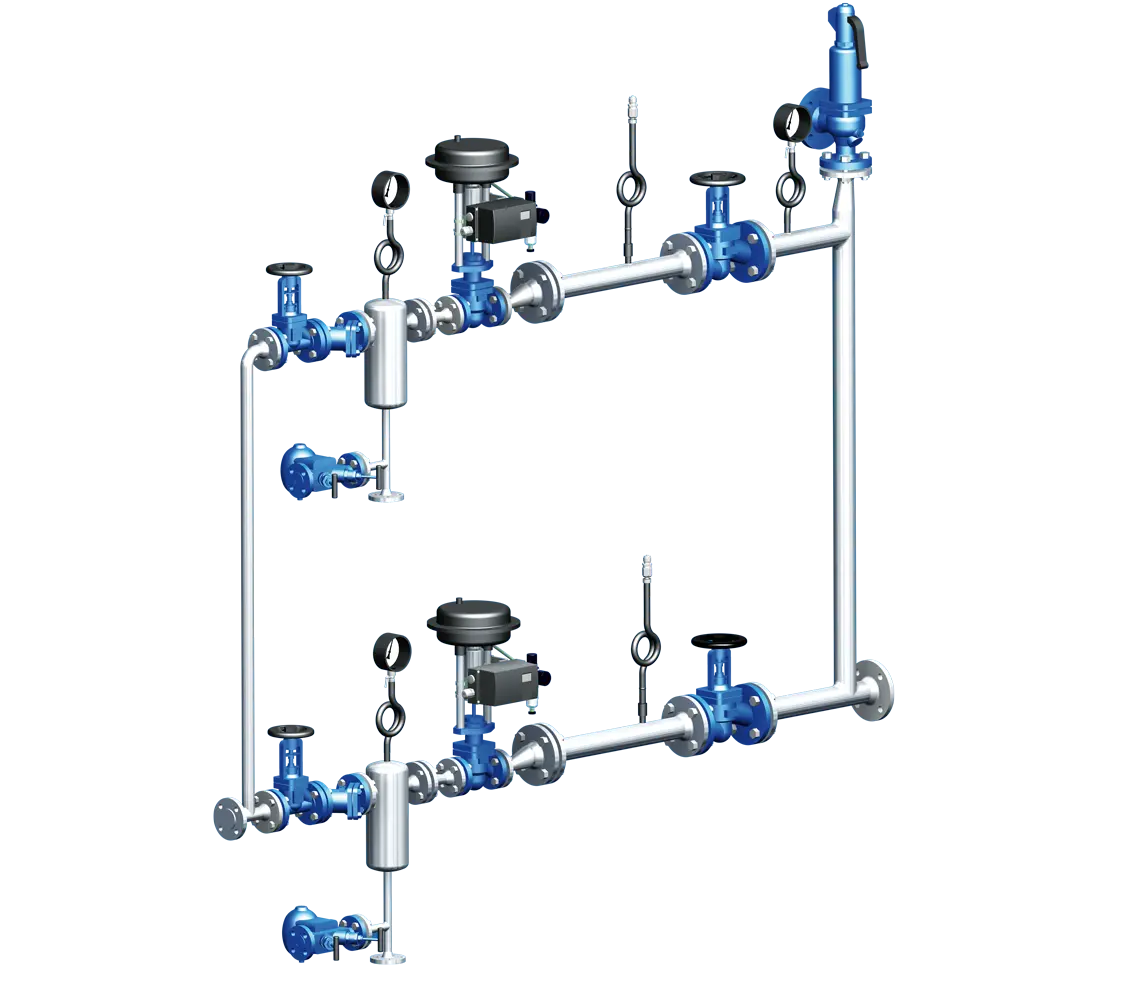

Steam-Water Heat Exchange
ARI ENCOsys
Steam-to-water heat transfer package engineered with process-sized control valves and condensate management systems.

BLOWDOWN STATION
ARI CONAsys
Pre-assembled steam trap station designed to effectively discharge condensate from steam distribution networks or equipment. Internal components, valves, and connection interfaces are engineered and tailored to your specific application.
The ARI product line also features CORsys condensate recovery systems and complementary equipment. Configurations and compliance requirements are to be confirmed for each specific installation.
VALVES AND STEAM TRAPPING
Isolation, control, blowdown, and overpressure protection require distinct technologies. Review our product data sheets for detailed specifications on available configurations.
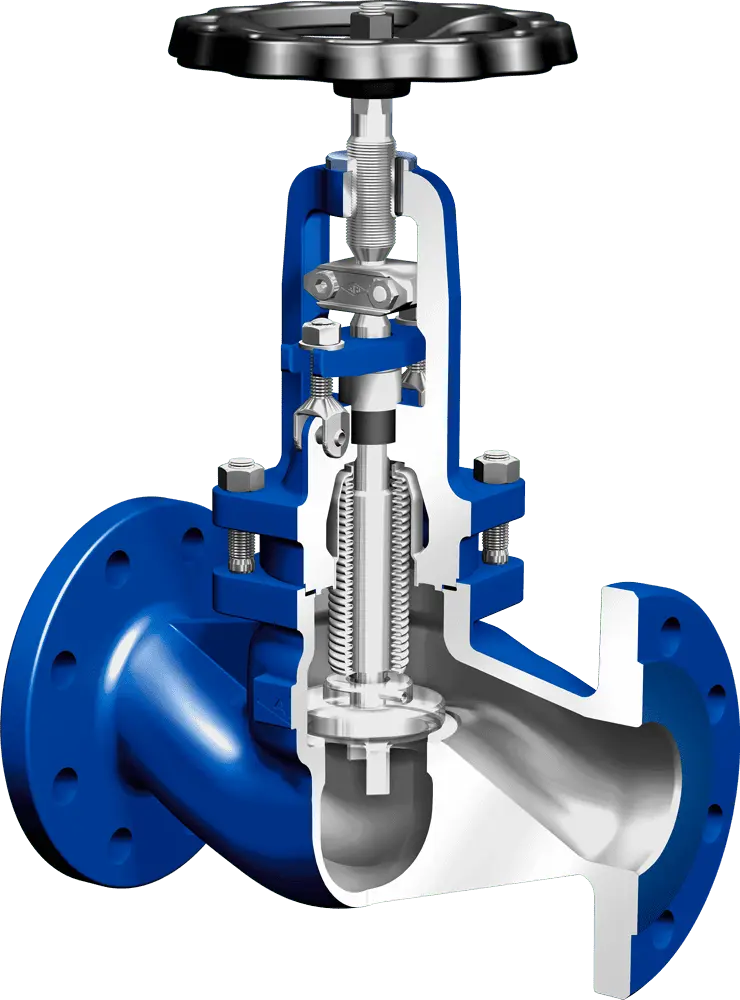
FABA · ISOLATION
Bellows-Sealed Globe Valves
Engineered for line and equipment isolation, featuring stem sealing optimized for steam service.
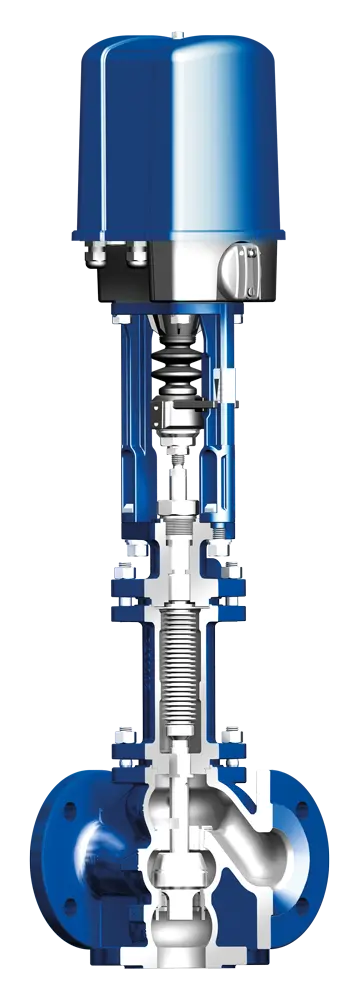
STEVI · CONTROL VALVES
Control Valves
To precisely regulate flow, pressure, or temperature in response to dynamic process conditions.
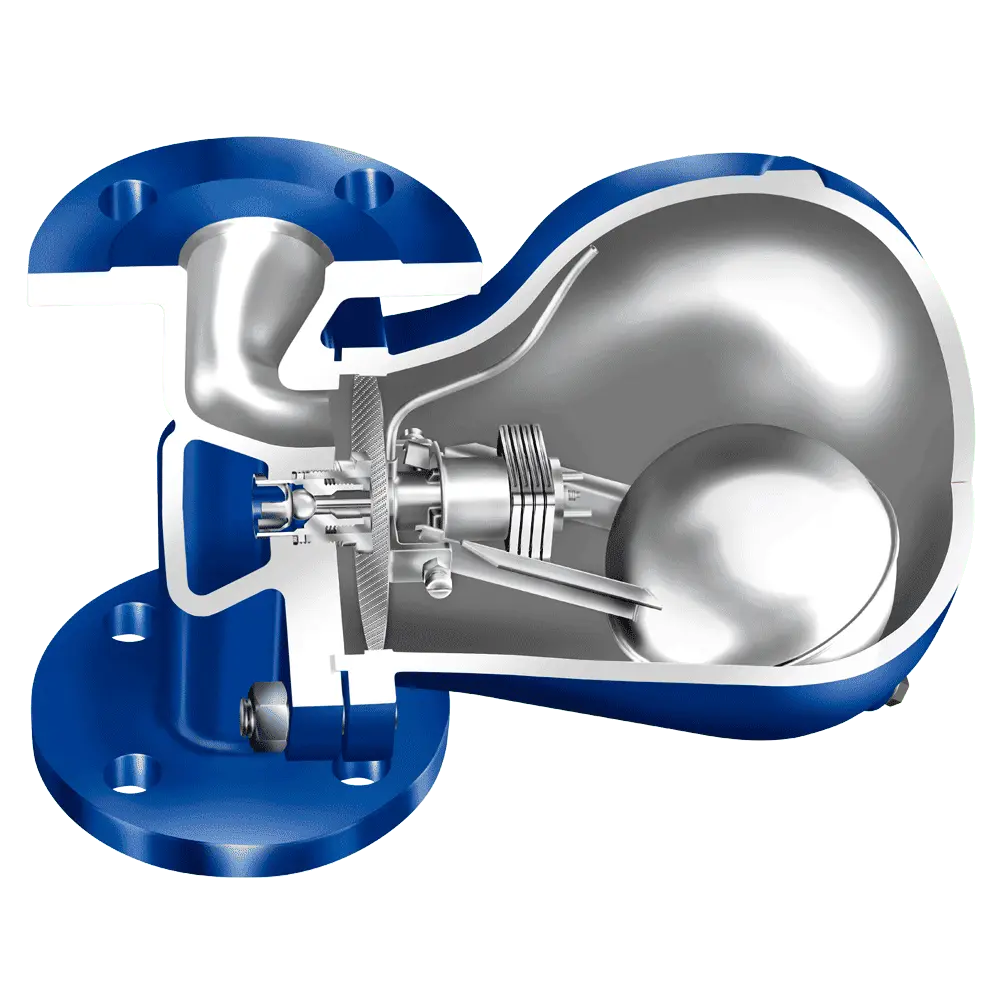
CONA · CONDENSATE
Steam Traps and Condensate Drainage Solutions
Selecting the optimal steam trapping technology based on loads, operating pressures, and backpressure conditions.
SAFE / REYCO · PROTECTION
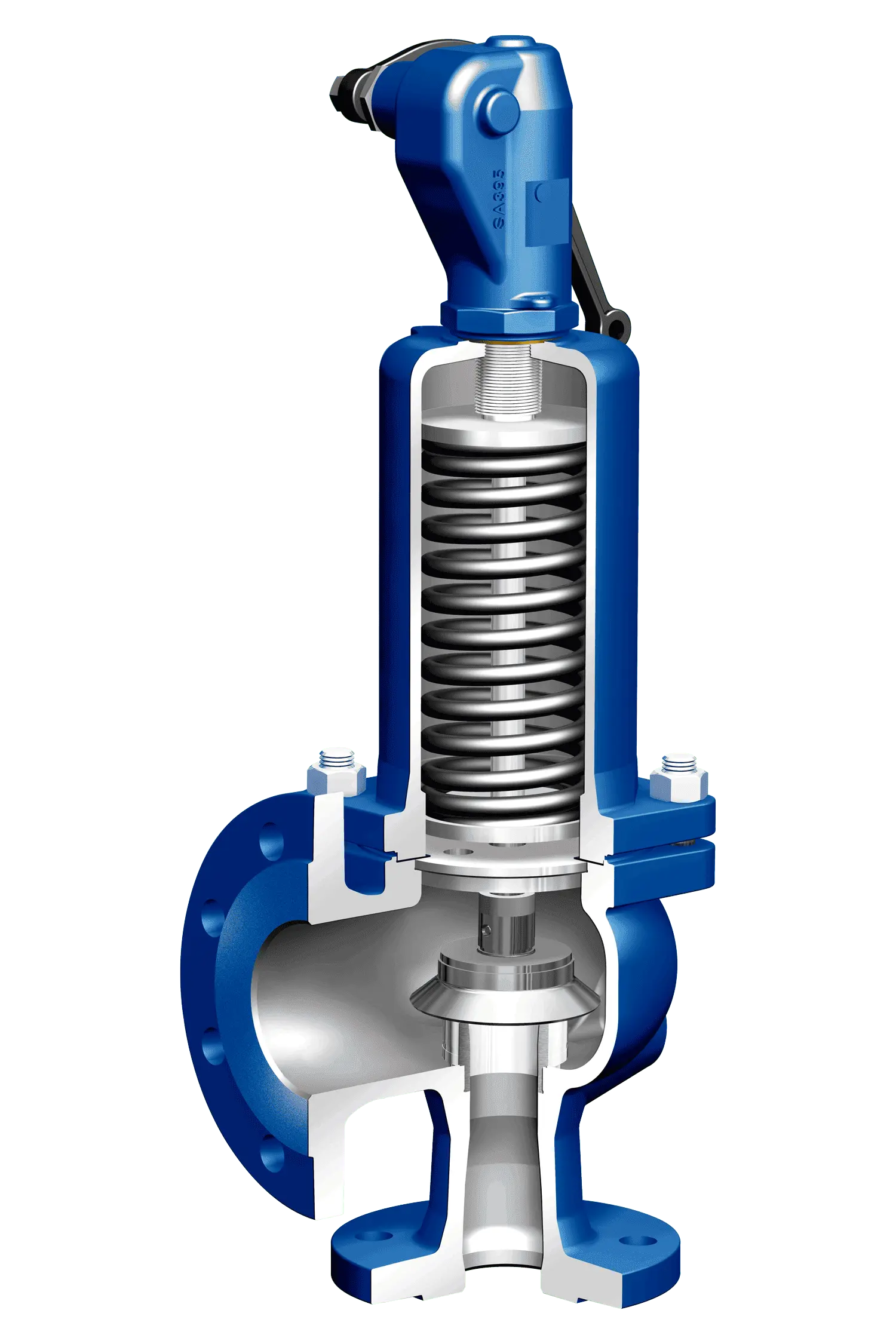
Safety Relief Valves
Pressure equipment protection, featuring project-specific sizing, selection, and documentation.
What about steam flange gaskets?
VAMECA also assists in selecting graphite gaskets and other engineered designs tailored to your flange, thermal cycling, and operating conditions. Custom flat gasket cutting can be performed directly at our Quebec facility.
TECHNICAL RESOURCES
Supplementary reading to better understand steam generation, control systems, pressure drops, and maintenance operations. These technical articles enhance this guide but are not a substitute for professional project sizing.
UNDERSTANDING STEAM
Why Generate Steam for Industrial Applications?
The role of steam as an energy vector in industrial processes, its advantages, and key distribution challenges.
Pressure Drop in Industrial Valves
Understanding pressure drops and their impact on valve selection.
Selecting a Control Valve
Control, actuation, and key parameters for selecting the right valve.
Industrial Valve Maintenance
Identify common anomalies and properly prepare maintenance interventions.
CSA B51 and ASME: Pressure Equipment Standards
Understanding key standards and regulatory frameworks governing pressure equipment and piping systems in Canada.
TECHNICAL ASSESSMENT & QUOTATION
Whether you have a legacy part number, a P&ID, or simply operating conditions, specify your requirements to consult with our local technical experts.
Send us your existing specifications. Our team will work with you to identify any missing parameters before selecting the optimal solution.
Scope of requirement: replacement, complete station, or blowdown/purge
Upstream steam pressure and desired downstream pressure
Temperature, Flow Rate, and Process Operations
DN / NPS, flanges, materials, and face-to-face dimensions
Installation Province and Documentation Requirements
FREQUENTLY ASKED QUESTIONS
How to Minimize Steam Losses in an Industrial Steam System
Common measures include leak repair, pipe and fitting insulation, steam trap auditing, control tuning, and condensate recovery where process-compatible.
What are the potential causes of steam water hammer?
Water hammer can occur when condensate accumulates and is carried through the piping. Piping geometry, low points, drainage, and transient conditions must be evaluated by qualified personnel.
How to Identify a Failed Steam Trap
A steam trap can either leak live steam or back up condensate. Effective diagnostics rely on operating context, pressure conditions, and appropriate testing methods—such as thermal and ultrasonic inspections—rather than relying on isolated temperature readings.
What are the advantages of condensate recovery?
Condensate is valuable hot water that can significantly reduce boiler makeup water and energy demands when returned to the boiler plant. Effective return depends on critical factors, including condensate quality, available operating pressure, and heat recovery interfaces.
How to Distinguish Between Saturated Steam and Superheated Steam
Saturated steam is at the saturation temperature corresponding to its pressure, whereas superheated steam is at a temperature above this threshold. This critical distinction directly influences the selection of materials, valves, seals, and specific steam trapping equipment.
What is the difference between a PREsys station and a PREDU valve?
PREsys refers to a pre-assembled pressure reducing station. PREDU is a family of pressure reduction equipment that can be integrated into a station's engineering design based on process requirements.
Which steam trap type should you select for a heat exchanger?
Condensate load, operating variations, backpressure, and the risk of blockage dictate proper selection. No single steam trap design is suitable for every application.
Can an older steam valve be replaced with an ARI valve?
Function, dimensions, end connections, materials of construction, and pressure/temperature ratings must be thoroughly evaluated before confirming cross-compatibility.
What compliance verifications and CRN requirements are mandatory in Canada?
Code and CRN registration requirements vary based on the product, package configuration, and province of installation. Documentation must be verified for each specific project.
Share your application requirements and operating parameters. Our technical specialists will evaluate the optimal product lines and interfaces tailored to your facility.