Custom Neoprene (CR) Gaskets and Seals

Custom Neoprene (CR) Gaskets and Seals

Custom cutting of neoprene (polychloroprene, CR) flat gaskets for flanges, covers, and industrial equipment. Select the optimal sheet material engineered for your operating temperatures, mechanical loads, and ozone exposure, then have your gaskets precision-manufactured to your exact blueprint specifications.

Custom cutting of neoprene (polychloroprene, CR) flat gaskets for flanges, covers, and industrial equipment. Select the optimal sheet material engineered for your operating temperatures, mechanical loads, and ozone exposure, then have your gaskets precision-manufactured to your exact blueprint specifications.

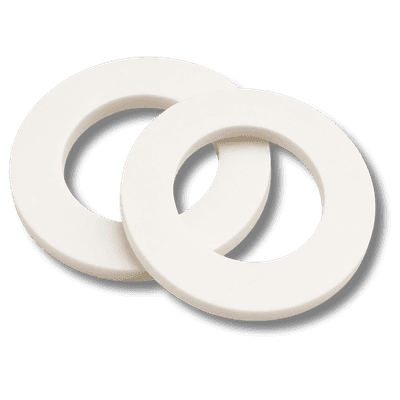
Preliminary cut flat gasket illustration — neoprene grade photo to be integrated

Temperature

Temperature

-29 to +88 °C

-29 to +88 °C

Hardness

Hardness

60 or 80 Shore A

60 or 80 Shore A

Typical Applications

Typical Applications

Flanges, casings, covers, and protective guards

Flanges, casings, covers, and protective guards

Temperature

-29 to +88 °C

Hardness

60 or 80 Shore A

Typical Applications

Flanges, casings, covers, and protective guards

What is a Neoprene (CR) Gasket?

What is a Neoprene (CR) Gasket?

Neoprene is the common name for polychloroprene (CR), a synthetic rubber utilized in sheeting for flat gaskets, packings, and flexible protective linings. Industrial sheet goods may incorporate other elastomers: a product labelled "neoprene" is not necessarily composed of pure CR.

From American Biltrite, AB-260 combines CR with SBR and NBR (60 Shore A), while AB-289 is a harder CR/SBR blend (80 Shore A) featuring documented ozone resistance testing. Their technical datasheets indicate a service temperature range of -29 to +88 °C, which must be distinguished from accelerated aging test temperatures.

For flange or equipment sealing, effective containment also depends on the media, operating pressure, flange surface finish, and bolt torque. Chemical compatibility with oils, solvents, acids, or steam should never be assumed solely from the generic designation "neoprene".

Advantages of Neoprene

Advantages of Neoprene

Excellent resistance to abrasion and flexing

Flexibility and adaptability for static seals

Hardness selection based on assembly requirements

Enhanced ozone resistance available on select grades

Custom Profile and Geometry Cutting

Industrial-Grade Neoprene Gasket Sheet

Industrial-Grade Neoprene Gasket Sheet

COMMERCIAL GRADE · CR NEOPRENE

AMERICAN BILTRITE AB-260

AMERICAN BILTRITE AB-260

AMERICAN BILTRITE AB-260

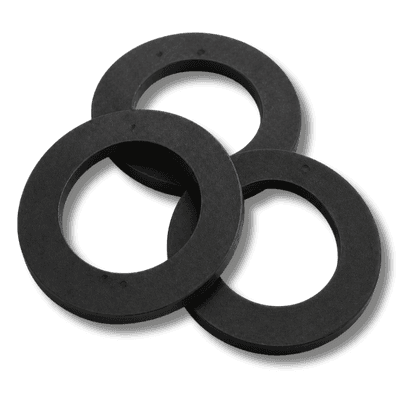
Black, matte-finish CR/SBR/NBR elastomer sheet, 60 Shore A. This commercial grade is ideal for die-cut industrial gaskets and static sealing applications where ozone exposure is moderate. Manufacturer's indicative operating temperature range: −29 to +88 °C.

Black, matte-finish CR/SBR/NBR elastomer sheet, 60 Shore A. This commercial grade is ideal for die-cut industrial gaskets and static sealing applications where ozone exposure is moderate. Manufacturer's indicative operating temperature range: −29 to +88 °C.

Black, matte-finish CR/SBR/NBR elastomer sheet, 60 Shore A. This commercial grade is ideal for die-cut industrial gaskets and static sealing applications where ozone exposure is moderate. Manufacturer's indicative operating temperature range: −29 to +88 °C.

Temperature Rating

Temperature Rating

-29 to +88 °C

-29 to +88 °C

Hardness

Hardness

60 Shore A

60 Shore A

Thicknesses

Thicknesses

1.6 / 2.38 / 3.2 / 4.8 mm

1.6 / 2.38 / 3.2 / 4.8 mm

ASTM D2000

ASTM D2000

1BC606

1BC606

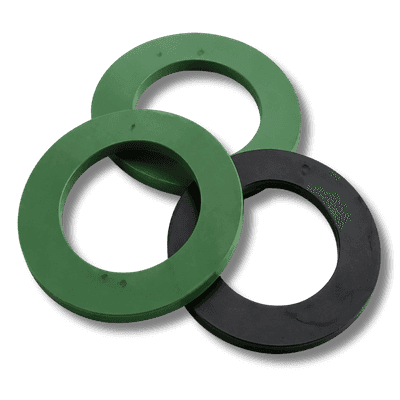
Preliminary cut flat gasket illustration — neoprene grade photo to be integrated

CR NEOPRENE · PREMIUM GRADE

AMERICAN BILTRITE AB-289

AMERICAN BILTRITE AB-289

AMERICAN BILTRITE AB-289

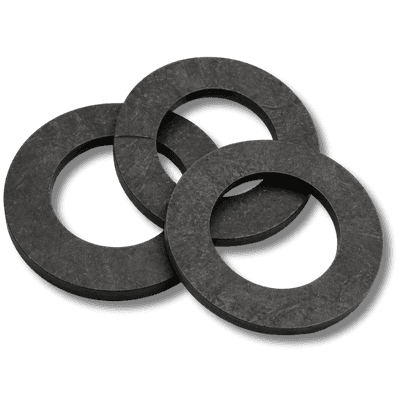
Premium black CR/SBR sheeting with a matte finish, 80 Shore A. Its ozone resistance is verified via ASTM D1149 testing, showing no cracking under the manufacturer's specified conditions. Standard catalogue thickness: 3.2 mm. Indicative temperature range: −29 to +88 °C.

Premium black CR/SBR sheeting with a matte finish, 80 Shore A. Its ozone resistance is verified via ASTM D1149 testing, showing no cracking under the manufacturer's specified conditions. Standard catalogue thickness: 3.2 mm. Indicative temperature range: −29 to +88 °C.

Premium black CR/SBR sheeting with a matte finish, 80 Shore A. Its ozone resistance is verified via ASTM D1149 testing, showing no cracking under the manufacturer's specified conditions. Standard catalogue thickness: 3.2 mm. Indicative temperature range: −29 to +88 °C.

Temperature Rating

Temperature Rating

-29 to +88 °C

-29 to +88 °C

Hardness

Hardness

80 Shore A

80 Shore A

Thickness

Thickness

3.2 mm (1/8 in.)

3.2 mm (1/8 in.)

Ozone Resistance Testing

Ozone Resistance Testing

ASTM D1149: No cracking

ASTM D1149: No cracking

ASTM D2000

ASTM D2000

2BC810C12EO34

2BC810C12EO34

Die-Cut FKM Elastomer Gasket

Tell us about your application so our team can help you select the optimal neoprene sheet.

Tell us about your application so our team can help you select the optimal neoprene sheet.

Custom Recommendation

Custom Recommendation

Why choose VAMECA for your neoprene gaskets and seals?

Why choose VAMECA for your neoprene gaskets and seals?

Selecting the right neoprene gasket begins with evaluating the media, operating temperatures, and assembly geometry. Two sheet materials within the same family can deliver vastly different performance levels.

We evaluate the grade, Shore A durometer, thickness, and environmental constraints before recommending a cut gasket. For demanding applications, manufacturer specifications must be cross-referenced with your actual operating conditions.

Working from a drawing, CAD file, or existing sample, we can design and fabricate custom gasket geometries for your maintenance and production equipment.

Custom Die-Cut Industrial Gaskets

Custom Engineering Assessment

Fluid, temperature, and assembly analysis

Custom Engineering Assessment

Fluid, temperature, and assembly analysis

Custom Engineering Assessment

Fluid, temperature, and assembly analysis

Grade Selection

Selection of hardness, thickness, and performance characteristics

Grade Selection

Selection of hardness, thickness, and performance characteristics

Grade Selection

Selection of hardness, thickness, and performance characteristics

Technical Support

From sheet selection to custom cutting to your specifications

Technical Support

From sheet selection to custom cutting to your specifications

Technical Support

From sheet selection to custom cutting to your specifications

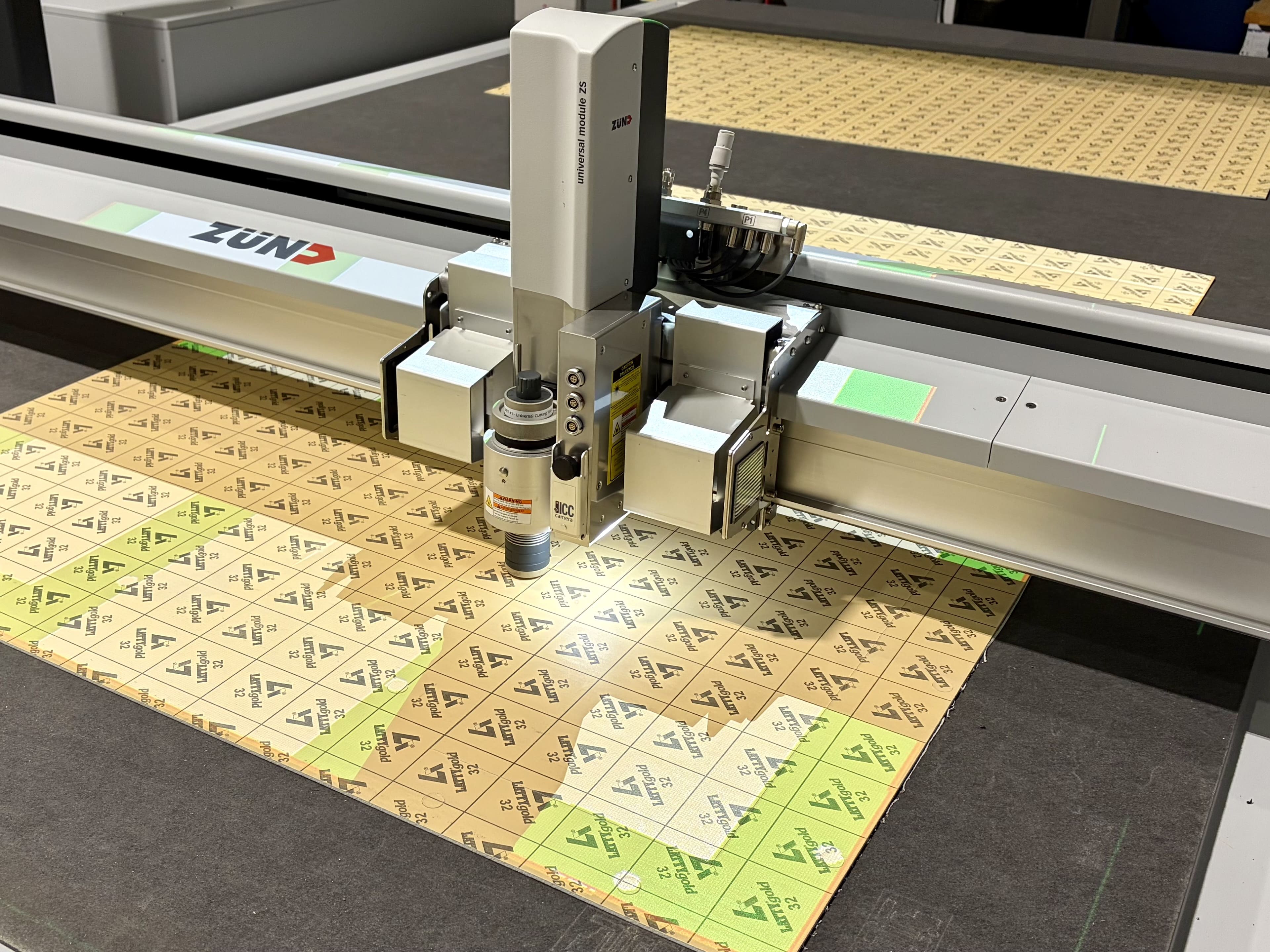
CNC Gasket Cutting on Zünd Digital Cutting Table

OUR TECHNOLOGY

OUR TECHNOLOGY

High-Precision CNC Gasket Cutting

High-Precision CNC Gasket Cutting

Equipped with cutting tables from the Swiss manufacturer Zünd, we fabricate custom gaskets with exceptional precision from your drawings, digital files, or existing samples.

Equipped with cutting tables from the Swiss manufacturer Zünd, we fabricate custom gaskets with exceptional precision from your drawings, digital files, or existing samples.

Cutting Surface
6’ x 12’
1.8 x 3.2 m

Precision of ± 0.1 mm

Custom prototypes / Medium & large-volume production

Replication from drawings, photographs, or digital files

COMMON APPLICATIONS

COMMON APPLICATIONS

Typical Applications for Neoprene Gaskets and Seals

Typical Applications for Neoprene Gaskets and Seals

Neoprene (CR) gaskets are engineered for static sealing and industrial equipment protection. Selecting the optimal grade depends primarily on the process media, mechanical stresses, and ozone exposure.

Assemblies and Flat Gaskets

Assemblies and Flat Gaskets

CRN-Compliant Piping Flanges

Bonnet and Cover Gaskets

Access Hatches and Panels

Custom-Shaped Die-Cut Gaskets

Industrial Equipment

Industrial Equipment

Mechanical Housings and Enclosures

Soft Seats and Packings

Abrasion Protection Solutions

Maintenance Seals

Engineered Protection Solutions

Engineered Protection Solutions

Bonnets and Enclosures

Ozone-Exposed Equipment (AB-289)

Assemblies Subjected to Bending

Die-Cut Protective Components

Flat sealing gasket installed on an industrial flange

Flat gaskets for flanges and industrial equipment

Flat gaskets for flanges and industrial equipment

Flat gaskets for flanges and industrial equipment

VAMECA manufactures custom flat gaskets engineered for flanges, covers, access hatches, and mechanical assemblies. A CR neoprene sheet can be selected when its formulation and properties align with your service conditions. Flange gasket geometries can be supplied to ASME B16.21 or EN 1514-1 dimensions based on your specifications.

Neoprene is not a universal substitute for PTFE, EPDM, graphite, or aramid fibres. Provide our team with your fluid media, operating pressure, temperature, flange drawing, and required quantity, and we will evaluate the optimal material selection and cutting process.

TOOL · GASKET & SEAL COMPARATOR

Compare Garlock, KLINGER, TEADIT, Durlon, LATTY, and Flexitallic.

Compare Garlock, KLINGER, TEADIT, Durlon, LATTY, and Flexitallic.

Compare Garlock, KLINGER, TEADIT, Durlon, LATTY, and Flexitallic.

Explore 148 sheet gasket product codes, including the Flexitallic SIGMA, Thermiculite, and Flexicarb lines. Compare PTFE, graphite, vermiculite, and compressed fibre formulations to plan your next replacement.

WHAT YOU CAN DO

01

Search by Part Number

By brand or product name

02

Compare Materials

PTFE, graphite, vermiculite, and compressed fibre

03

Review Documentation

Manufacturer Technical Data Sheets

A specification sheet comparison is no substitute for technical validation.

FAQ

Your Questions About Neoprene Gaskets and Seals

Temperature, hardness, fluid resistance, and die-cutting: the critical factors for selecting the right neoprene sheet.