January 12, 2022
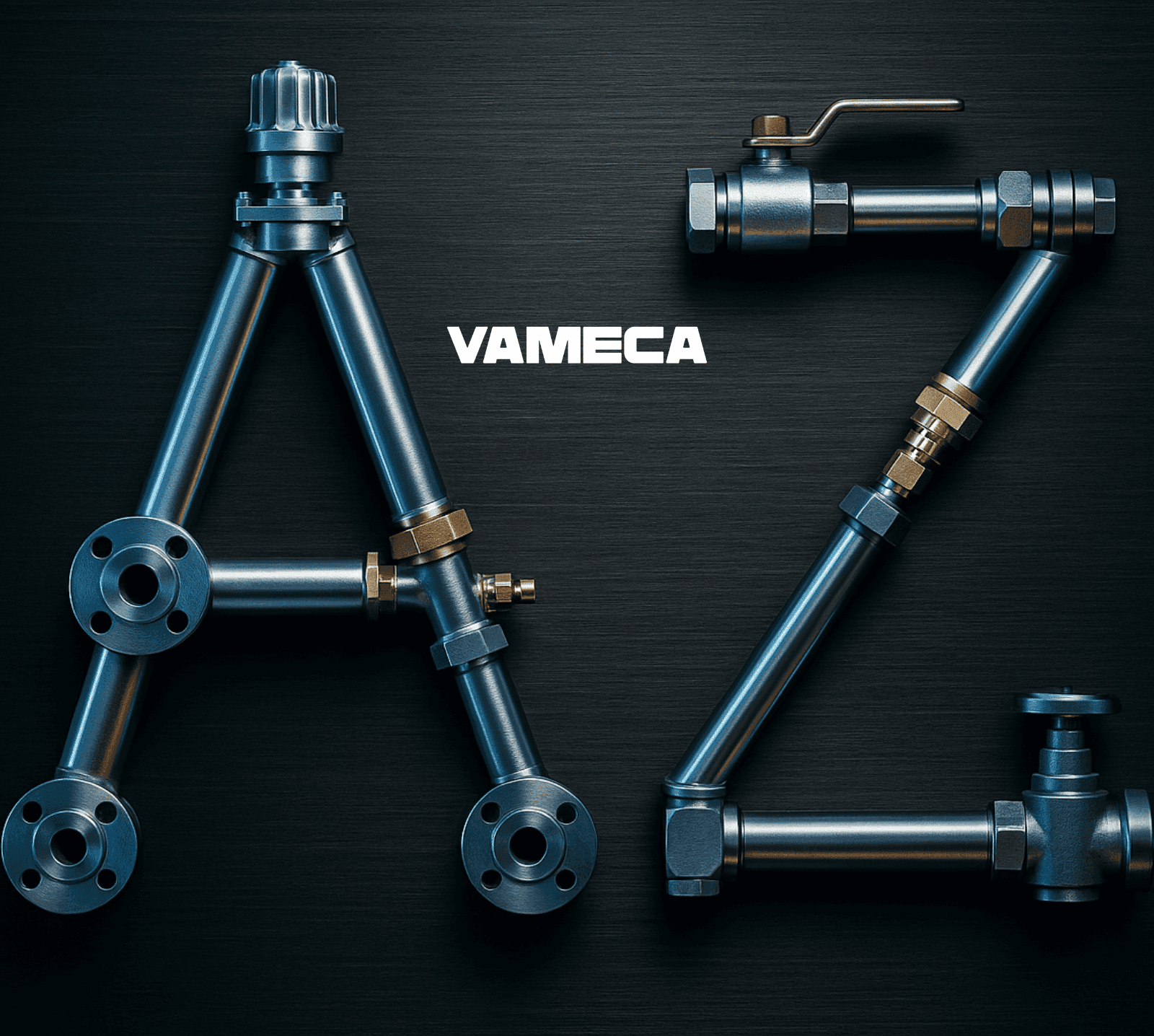
Discover the definitions of terms, components, and standards used in the field of industrial valves, control, and sealing solutions.
(A VAMECA project – continuously updated.)
A
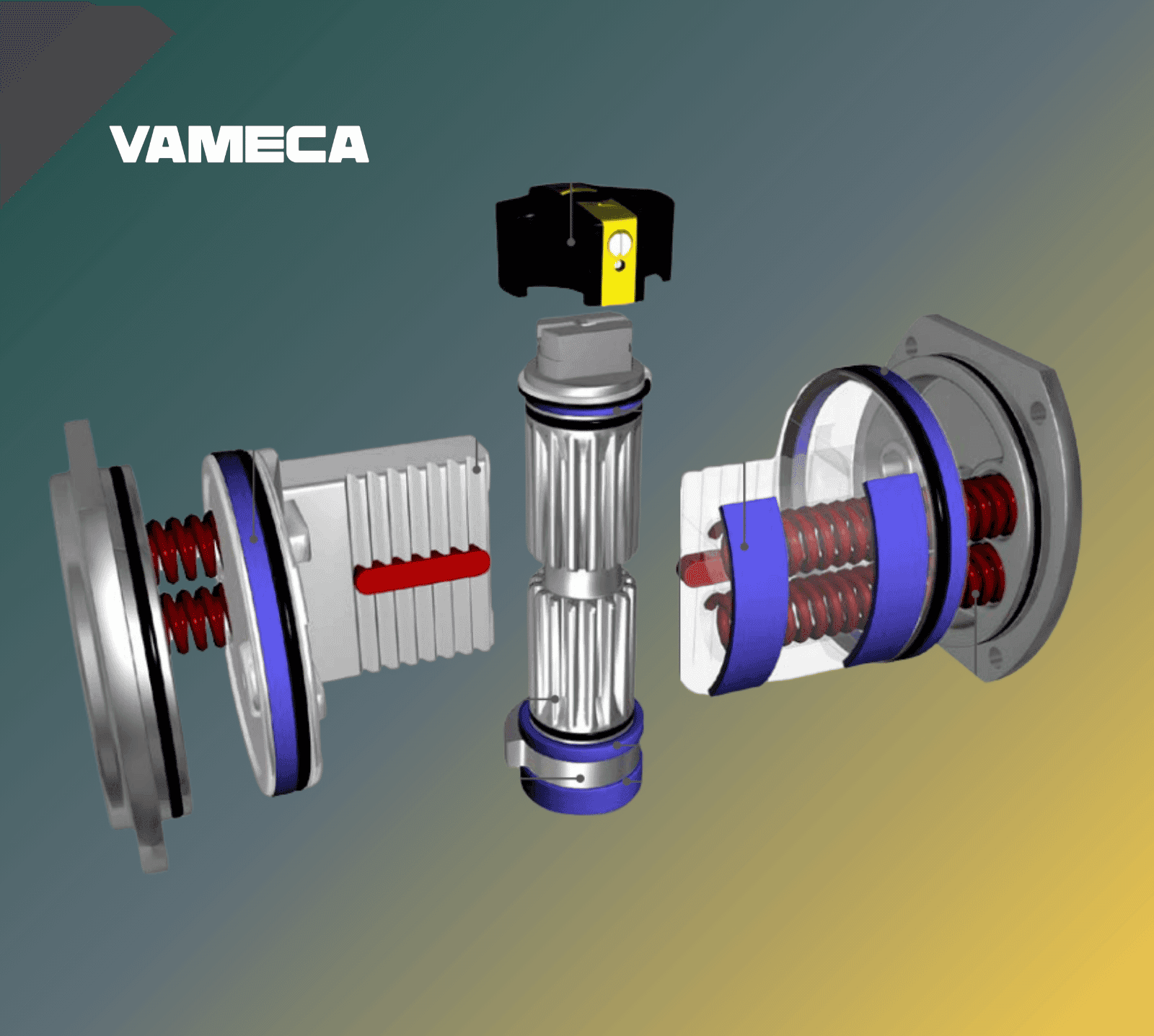
Actuator: A device that mechanically controls the opening or closing of a valve (pneumatic, electric, or hydraulic).
Water Hammer Arrestor: A device that absorbs overpressures in a fluid network.
Flange Anchor – support that prevents mechanical stresses on the piping.
Shaft – rod connecting the actuator to the obturator.
Manual Operation – direct control by lever or handwheel.
ANSI – American National Standards Institute (basis for many pressure classes).
API 607 / 608 – fire test requirements
API 598: American standard defining the leak tests of industrial valves.
ASME B16.34: Pressure valve design standard according to North American standards.
ATEX: European certification for equipment used in explosive atmospheres.
AISI – American Iron and Steel Institute (classification of stainless steel).
Learn more about the standards in our various articles: Standards & Certifications
Ventilation – air expulsion device in a closed network or controlled air introduction in a circuit.
Compressed Air – fluid used for pneumatic control.
Opening Angle – maneuvering position of a quarter-turn valve.
Abrasive – fluid containing solid particles.
Fluid Acceleration – phenomenon related to sectional reduction.
Upstream / Downstream – respectively denote the inlet and outlet of the flow.
Carbon Steel (CS) – robust material used for steam and hydrocarbon networks.
Stainless Steel (SS / Inox) – corrosion-resistant.
Aluminium – lightweight, used for actuator bodies.
Alloy – combination of metals enhancing mechanical properties.
Anodization – surface treatment enhancing corrosion resistance.
AC/DC – type of electrical power for an actuator.
Actuator Torque – maneuvering torque of an actuator.
Priming – initial loading of a fluid network.
B
Ball or Plug: Rotary component of a ball valve, allowing fluid passage or sealing.
Conical Plug: Variant suitable for viscous or loaded fluids.
Flange: Mechanical part used to assemble two pipes by bolting with a gasket.
By-pass: Diverging line circumventing a valve or equipment.
Position Locking: Function ensuring the valve maintains its position in case of power loss.
Mechanical Stop: Physical limit preventing excessive rotation of the shaft or actuator.
Limit Switch Box: Control accessory indicating the open/closed position of an automated valve.
By-pass: Secondary circuit allowing diversion of fluid for maintenance or balancing.
Position Locking: Device ensuring the valve retains its position in case of energy loss.
Control Loop: System combining sensor, valve, and controller to maintain a process setpoint.
Pressure Balance: Mechanism reducing maneuvering effort on some high-pressure valves.
Bronze: Copper-tin alloy used for its resistance to corrosion and seawater.
Two-Piece / One-Piece: Denotes the structure of a valve body (2 bolted pieces or 1 machined piece).
Brushed (steel): Surface finish typical of high-end stainless steel equipment.
B16.5 / B16.47 (ASME): Standards defining piping flanges (dimensions, tolerances, pressure classes).
BSP (British Standard Pipe): Parallel threading standard mainly used in Europe.
Bar: Unit of pressure measurement (1 bar = 14.5 psi).
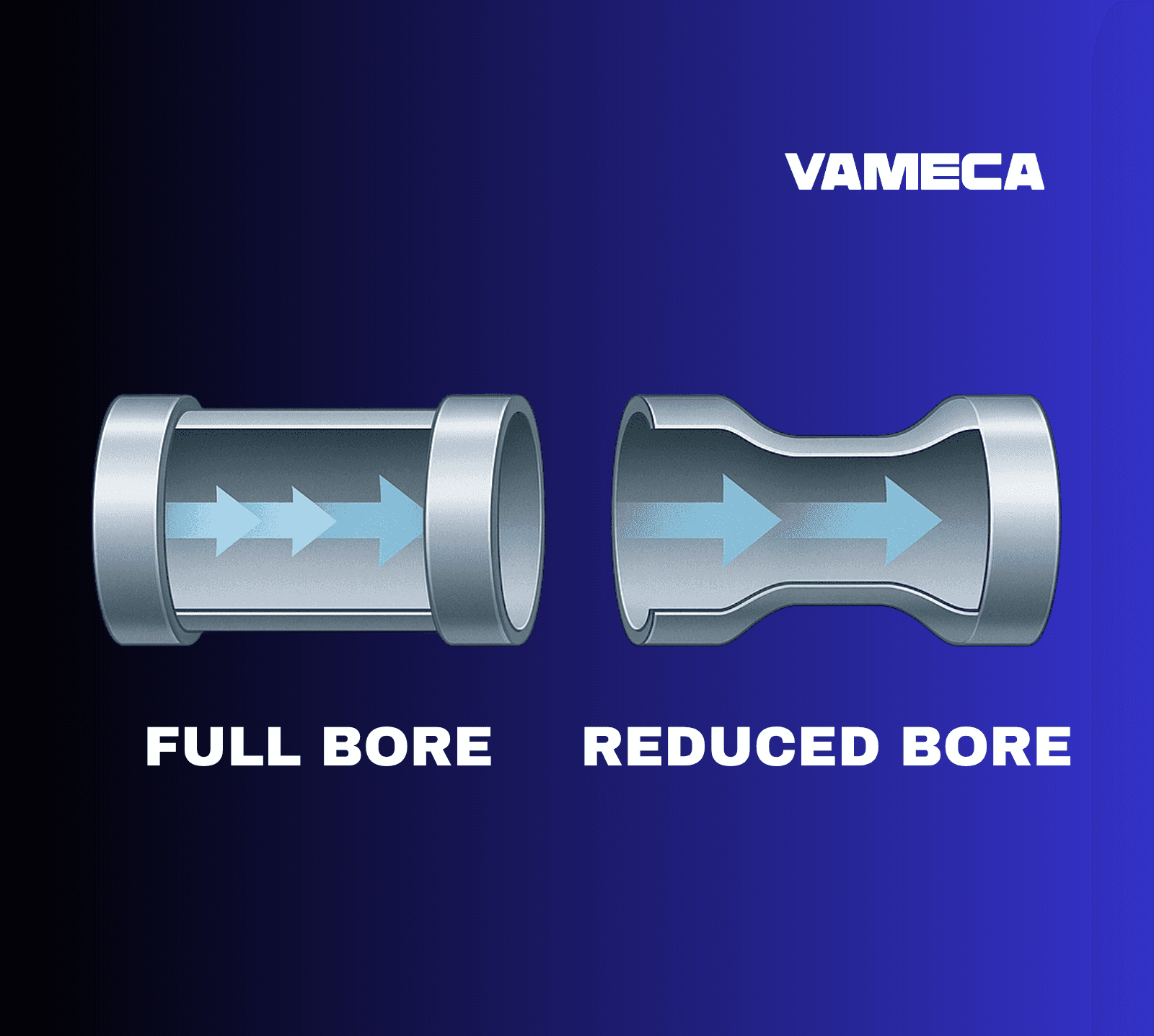
Bore (passage): Internal diameter of the fluid passage (full bore / reduced bore).
Bleed Valve (purge): Small valve for evacuating trapped air or fluid.
Test Bench: Machine used for leak and pressure testing (hydrostatic or pneumatic test).
Bidirectional: Valve ensuring sealing in both flow directions.
Block and Bleed: Mounting configuration combining a shut-off valve and a bleed valve.
Line Sweeping: Operation of purging a fluid network before commissioning.
Local Control Box: Control interface near the valve.
Packing: Leakage or wear of the sealing around the shaft.
Thermal Lock: Overpressure caused by expansion of trapped fluid between two closed valves.
C
Check Valve: Prevents fluid from flowing in reverse.
Pressure Class (Class): Indicates the maximum allowable pressure according to ANSI standards (Class 150, 300, 600…).
CRN (Canadian Registration Number): Mandatory registration number for any pressure equipment in Canada.
Cv / Kv: Flow coefficients representing a valve's capacity to allow fluid passage.
Valve Body: Main part containing the fluid passage and internal components.
Condensate: Cooled vapor returning to liquid in a steam network.
D
DN (Nominal Diameter): Indicates the standard internal diameter of a piping element.
Double Acting: Operational mode of a pneumatic actuator without a return spring.
Flowmeter: Instrument for measuring the flow rate of a fluid.
Shaft Malfunction: Breakage or twisting of a valve control rod.
Pressure Differential: Pressure difference between the inlet and outlet of a component.
Gear Reducer: Torque reducer enabling manual maneuvering of a large diameter valve.
E
Sealing: System's ability to prevent any fluid leakage.
EPDM / PTFE / Graphite: Materials used for gaskets depending on temperature and fluid chemistry.
Solenoid Valve: Electrically operated device controlling air or fluid supply.
Hydraulic Test: Pressure test to verify the mechanical strength of equipment.
Condensate Evacuation: Process of removing water formed in a steam network.
Footprint: Space occupied by a valve or a valve/actuator assembly.
F
Failsafe: Function ensuring the safe position of a valve during a power outage.
NPT / BSP Threading: Types of threads (American tapered or European parallel).
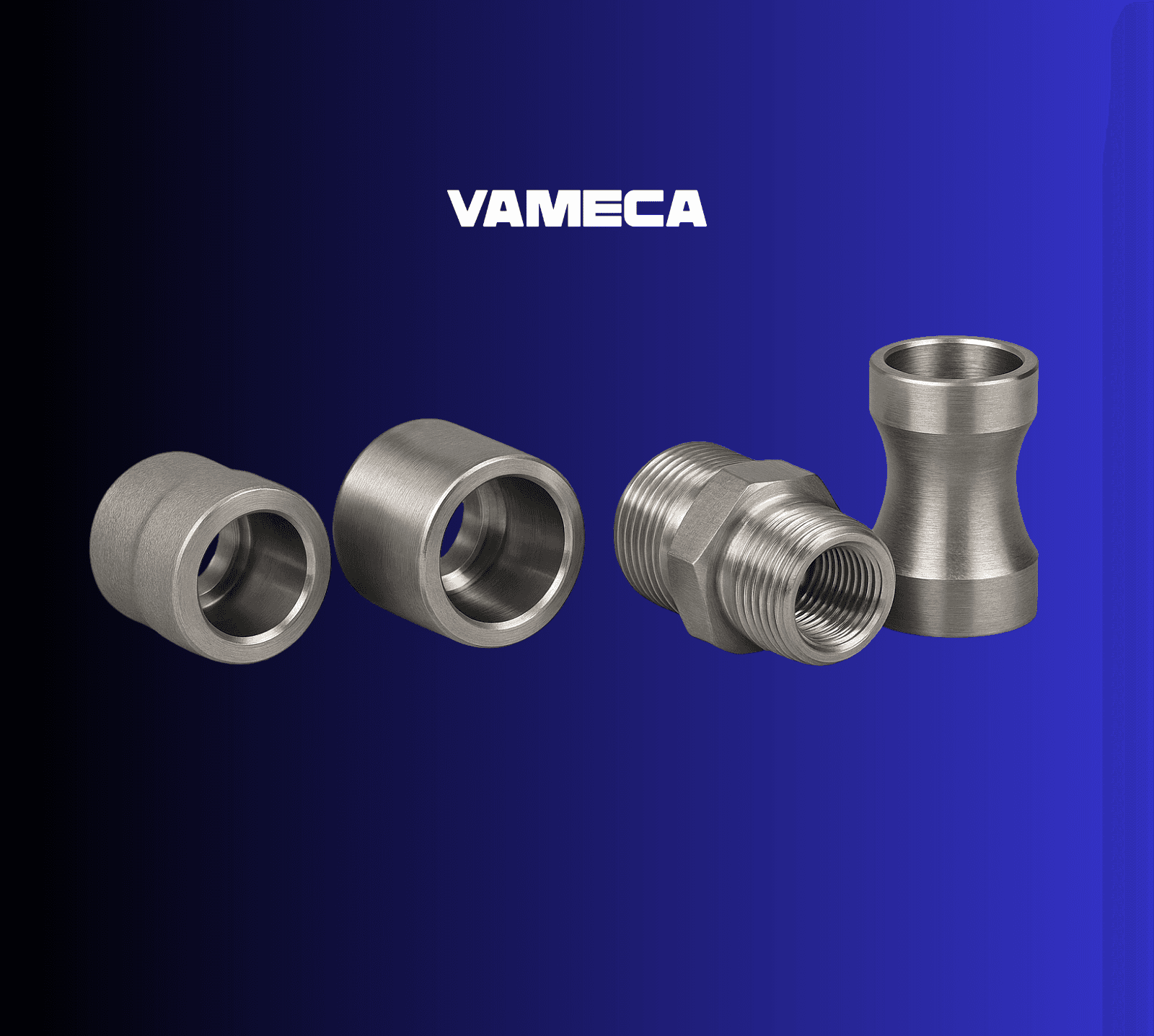
Full Bore / Full Passage: Valve whose internal passage matches the pipe diameter.
Regulation Function: Valve capability to modulate fluid flow.
Shut-off Function: Valve ensuring complete opening or closing of the passage.
Corrosive Fluid: Substance attacking chemically incompatible materials.
G
Globe Valve (Vanne à soupape): Valve designed for fine flow regulation.
Graphite: Sealing material resistant to high temperature.
Packing: Element ensuring dynamic sealing around the shaft.
Guillotine Valve: Sliding blade valve used for loaded fluids.
Shaft Guide: Part stabilizing the axial movement of a valve shaft.
Lubrication: Application of lubricant on mechanical components to reduce wear.
H
High Pressure: Application field beyond 50 bar.
Hydraulic: Type of actuation using pressurized oil.
Hot Tap: Connection on an active line without flow interruption.
Hysteresis: Gap between effective opening and closing positions of a regulated valve.
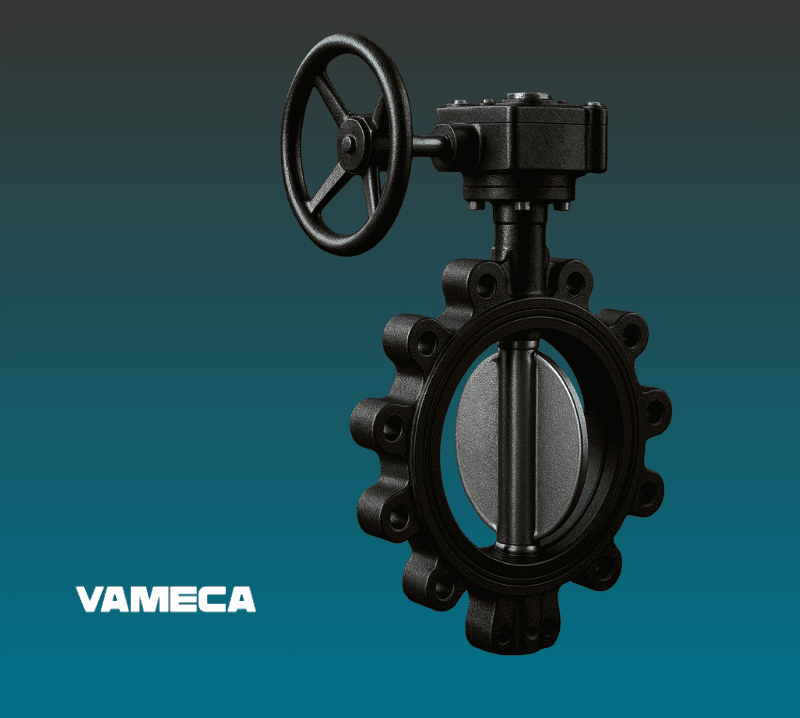
Handwheel: Manual maneuvering wheel.
I
ISO 5211: Standard defining the interface between valve and actuator.
Position Indicator: Accessory visually indicating valve open state.
Inox: Steel alloy resistant to corrosion.
Instrumentation: Set of sensors and measuring devices connected to the valves.
Isolation: Network section cutting function.
J
Flat Gasket: Sealing element between two flanges.
Spiral Wound Gasket: Metallic gasket for high pressures and temperatures.
Valve Skirt: Lower body part protecting the obturator.
O-ring: Elastomer ring ensuring dynamic sealing.
K
Kv: Flow coefficient expressed in m³/h for a 1 bar pressure drop.
Mounting Kit: Set of parts for fitting an actuator on a valve.
Maintenance Kit: Set of gaskets and wear parts for maintenance.
L
Liner: Internal coating ensuring corrosion protection.
Torque Limiter: Mechanism preventing excessive torque on the actuator.
Brass: Copper-zinc alloy used for small equipment.
Linearity: Proportional relationship between valve opening and flow.
M
Manometer: Instrument measuring fluid pressure.
Preventive Maintenance: Regular maintenance preventing breakdowns.
Modulating (Modulation): Progressive regulation function of a valve.
Wafer / Lug Mounting: Types of butterfly valve connections.
Diaphragm: Flexible element separating two pressure zones.
N
NPS (Nominal Pipe Size): Standardized diameter in inches according to North American standards.
CSA Standard: Canadian certification for safety and compliance.
Leakage Class: Sealing classification according to ISO 5208 / API 598.
Neutralization: Acid fluid treatment process before discharge.
O
Orifice: Internal passage through which fluid flows.
Open/Close Time: Time required to open or close the valve.
Overtorque: Torque applied exceeding design tolerance.
Orientation: Installation position affecting performance (horizontal/vertical).
P
PN (Pressure Rating): Indicates maximum pressure in bar.
Service Pressure: Maximum continuous use pressure.
PS Automation: German manufacturer of electric actuators distributed by VAMECA.
Drain Valve: Evacuates condensates or air bubbles from a network.
Reduced Bore: Internal section smaller than the nominal diameter.
Q
Quick Exhaust Valve: Rapid discharge valve in a pneumatic circuit.
Surface Finish Quality: Level of finishing influencing sealing.
Quadrant: Standard rotation angle of a quarter-turn valve (90°).
R
Regulation: Continuous flow adjustment to maintain a setpoint.
Pressure Reducer: Device stabilizing downstream pressure.
Position Feedback: Signal indicating open/close state of an automated valve.
Shaft Breakage: Mechanical failure due to excessive torque.
S
Valve: Safety component releasing overpressure.
Seat: Sealing surface between the obturator and the body.
Smart Positioner: Intelligent positioner with digital communication.
SIL (Safety Integrity Level): Certified functional safety level.
Isolation: Complete fluid shut-off function.
T
Torque: Force needed to maneuver a valve.
Thermal: Relating to the fluid's operating temperature.
Visual Indicator: State indicator on a motorized valve.
Tapping: Machining of an internal thread for connection.
U
UL / FM: North American safety and fire certifications.
Unidirectional: Valve ensuring sealing in one direction only.
Industrial Utilities: Set of an auxiliary plant's fluids (water, air, steam).
V
VAMECA: Canadian distributor of industrial valves and sealing solutions.
Valve: Device for shutting off, regulating, or safeguarding a fluid circuit.
Three-Way Valve: Allows mixing or distributing a fluid between two circuits.
Vexve: Finnish manufacturer of district heating valves.
W
Wafer: Compact mounting type between two flanges.
WCB: Material designation (cast steel ASTM A216).
Water Hammer: Pressure wave caused by sudden valve closure.
X
Xylan®: Fluoropolymer coating (often blue) applied on bolts, flanges, and valve parts to enhance corrosion resistance and reduce tightening torque.
X-type Strainer (X Filter): Inclined basket filter providing efficient filtration in a compact space, often used in steam or liquid processes.
X-block Manifold: Cross valve block used for instrumentation to centralize several functions (isolation, purge, testing).
X-flow: Term used to designate cross-flow configurations in multi-way valve systems or leakage test circuits.
Y
Y-Strainer (Y Filter): Mechanical filter retaining solid particles in a fluid.
Yoke: Support connecting the actuator to the valve body.
Z
ATEX Zone: Environment classified as explosive risk.
Zinc-nickel: Corrosion-resistant coating for mechanical parts.
Zero Leakage: Absolute sealing level (Class A).